Written By: Lovely D. | 23 October 2026
Inclusive sizing is becoming an expectation rather than an added benefit. More customers are looking for retailers that offer a full range of sizes, and when they can't find the right fit, they're likely to shop elsewhere.
For independent boutiques, stocking a complete size run can improve customer satisfaction while creating more consistent sales.


A common buying mistake is ordering only the most popular sizes, such as S, M and L, while leaving out larger sizes. Although this may seem like a way to reduce risk, it can result in missed sales and disappointed customers.
Offering a full size range allows more shoppers to find the right fit and encourages repeat business, particularly from customers who have limited sizing options elsewhere.
Customers who know they can rely on your store to carry their size are more likely to return and recommend your business to others. A complete size run also creates a more inclusive shopping experience and helps strengthen your store's reputation.
Conclusion:
Offering a complete size range helps create a more inclusive shopping experience while improving customer loyalty and reducing missed sales opportunities. By planning for every customer not just the most common sizes, you can build a stronger reputation and support more consistent sales throughout the season.
Written By: Althea A. | 11 September 2026
Freight costs continue to rise, making shipping an important consideration for independent retailers. From fuel prices to carrier fees, increasing delivery expenses can impact both your margins and your customers' shopping experience.
While these costs may be unavoidable, a few simple strategies can help you manage them more effectively.
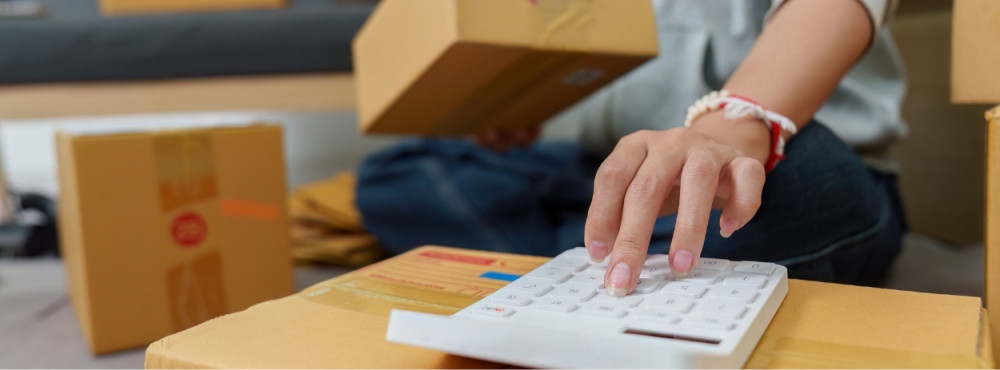

Placing larger, well-planned orders can reduce the need for frequent top-up shipments and help lower freight costs over time. Setting free shipping thresholds, batching online orders or offering click-and-collect are also practical ways to improve shipping efficiency.
Careful inventory planning not only saves on freight but also helps keep popular products in stock.
Getting the most value from each delivery starts with ordering efficiently. At Inline Trading, our no-split-pack policy helps maximise carton space and reduce unnecessary freight costs, making it easier for retailers to manage shipping expenses while keeping their shelves well stocked.
Conclusion:
While rising freight costs affect every retailer, careful planning and efficient ordering can help reduce their impact. At Inline Trading, our no-split-pack policy is just one of the ways we help buyers maximise shipping efficiency and make every delivery work harder for their business.
Written By: Michelle D. | 28 August 2026
Accessories may be smaller than apparel, but they can make a big impact on your store's sales. From jewellery and scarves to bags and headpieces, these finishing touches help customers complete their outfits while offering retailers a simple way to increase average transaction value.
With relatively low investment and fast stock turnover, accessories remain one of the most profitable categories for independent boutiques.


Customers often purchase accessories alongside clothing, making them ideal for encouraging additional sales. Displaying complementary pieces together can inspire complete outfit ideas and make purchasing decisions easier.
Because accessories typically require less storage space and lower upfront investment, they're also a flexible category for refreshing your displays throughout the season.
Rather than displaying accessories separately, consider merchandising them alongside apparel. A necklace paired with a dress or a bag styled with a coordinated outfit helps customers visualise the complete look and can naturally increase basket size.
Regularly updating these displays also gives returning customers something new to discover.
Conclusion:
Accessories remain one of the easiest ways to increase average transaction value while keeping inventory flexible. A well-curated range can enhance your displays, encourage add-on purchases and provide customers with complete outfit solutions throughout the season.
Written By: Bianca C. | 14 August 2026
When planning for Summer 2026, fabric choice will be just as important as colour and design. As temperatures continue to rise, shoppers are looking for clothing that feels light, breathable and comfortable, making fabric a key factor in purchasing decisions.
For retailers, stocking a range of lightweight fabrics can help meet seasonal demand while offering customers practical, everyday options.

This season is expected to embrace confident colour choices inspired by sunshine, travel and outdoor living. Shades such as citrus tones, ocean blues, earthy neutrals, soft pastels and rich reds are all likely to feature strongly across summer collections.
Rather than replacing timeless favourites, these colours can be introduced through key statement pieces or mixed with neutral basics to create a balanced range that appeals to a wide variety of shoppers.

Breathable materials such as cotton, linen blends and soft draping fabrics are expected to remain popular throughout the season. Sheer overlays and slip-inspired textures also continue to influence summer fashion, offering effortless layering without adding extra weight.
These fabrics not only provide comfort but also create a relaxed look that suits everything from casual outings to holiday wardrobes.
Today's customers are increasingly paying attention to how clothing feels, not just how it looks. Lightweight fabrics are easier to wear in warm weather, making them ideal for everyday dressing and travel.
By offering a variety of breathable materials, retailers can appeal to a broader customer base while creating collections that feel fresh and practical.
Grouping garments by fabric or creating displays that highlight lightweight, breathable styles can make shopping easier for customers. Pairing these pieces with complementary accessories also helps create complete outfit ideas and encourages additional purchases.
Conclusion:
Lightweight, breathable fabrics will continue to play a key role in Summer 2026 collections. Offering a thoughtful mix of comfortable, versatile fabrics can help your store meet customer demand while keeping your range fresh throughout the season. If you'd like recommendations for your next order, our team is here to help.
Written By: Mika H. | 31 July 2026
As the fashion industry begins looking ahead to Summer 2026, buyers are already watching the trends that will influence the season. While every summer brings fresh colours and prints, global events, travel, and changing consumer preferences are expected to shape a vibrant and optimistic fashion landscape.
For independent retailers, understanding these trends early provides an opportunity to build collections that feel current while still reflecting the unique style of their customers.

This season is expected to embrace confident colour choices inspired by sunshine, travel and outdoor living. Shades such as citrus tones, ocean blues, earthy neutrals, soft pastels and rich reds are all likely to feature strongly across summer collections.
Rather than replacing timeless favourites, these colours can be introduced through key statement pieces or mixed with neutral basics to create a balanced range that appeals to a wide variety of shoppers.

Prints continue to be an important part of summer fashion, with customers looking for styles that feel fresh without being overly trend-driven. Botanical florals, tropical-inspired designs, abstract artwork and geometric patterns are all expected to remain popular.
Offering a mix of bold statement prints alongside more subtle everyday options allows retailers to cater to different customer preferences while keeping their collections versatile.
Successful seasonal buying isn't about stocking every emerging trend, it's about selecting the right combination for your customer base. Planning ahead allows retailers to spread new arrivals throughout the season, create engaging visual displays and maintain fresh product offerings as customer demand evolves.
By introducing new colours and prints gradually, boutiques can keep their collections exciting without overwhelming shoppers or overcommitting to short-lived trends.
Conclusion:
Planning ahead is one of the best ways to stay ahead of seasonal trends. By understanding the colours and prints shaping Summer 2026, you can build a balanced collection that feels fresh, relevant and aligned with your customers' expectations. If you'd like help selecting pieces for the season, the Inline Trading team is always happy to assist.
Written By: Chloe B. | 27 February 2026
When it comes to fashion, texture plays a crucial role in how a garment is perceived and how it makes the wearer feel. Whether it’s the soft touch of cotton, the luxurious feel of velvet, or the crispness of linen, fabric texture affects everything from the comfort of a garment to its overall appeal.
In this blog, we’ll explore how different textures influence purchasing decisions and how designers can use fabric to enhance both the functionality and aesthetic of their collections.


Texture adds depth and dimension to a garment, giving it personality and a sense of uniqueness. Fabrics like silk, wool, and suede are often associated with luxury, while others, like cotton and denim, bring a sense of casual comfort. Customers are drawn to fabrics that feel good against their skin and reflect their style preferences, making texture a critical factor in buying decisions.
Conclusion:
The texture of a fabric plays a significant role in how we perceive the overall appeal of a garment. Beyond just looks, fabric texture influences comfort, durability, and overall satisfaction, ultimately guiding a customer’s purchasing decision. From the softness of cotton to the richness of velvet, each texture tells a story and enhances the emotional connection to the garment. Understanding the importance of fabric texture helps designers create collections that not only look great but feel great, too ensuring customers return again and again for more.
Written By: Zarah K. | 13 February 2026
Footwear is more than just a practical necessity, it’s a style statement. Over the years, women’s footwear has evolved from overly ornate designs to more minimalist, functional styles that prioritize both comfort and modern aesthetics. Today, it’s all about sleek lines, simple silhouettes, and smart design that balances fashion with everyday wearability.
In this post, we’ll explore how modern footwear designs reflect broader fashion trends and consumer demands for simplicity, comfort, and functionality.


The minimalistic approach in footwear has gained traction because it’s versatile, timeless, and easy to style. Clean lines, neutral colors, and quality materials make these shoes both fashionable and practical. Whether you’re wearing them to work, for a night out, or on the weekend, minimalist shoes elevate any look.
Conclusion:
The evolution of women’s footwear reflects the growing desire for stylish simplicity and everyday comfort. Minimalist designs with sleek, modern lines allow women to embrace both practicality and fashion. As we continue to move away from overly ornate styles, footwear has become an essential part of a minimalist, modern wardrobe. Whether it’s a statement shoe or an everyday essential, minimalism in footwear is here to stay allowing women to step forward in style, comfort, and confidence.
Written By: Caleb B. | 30 January 2026
Australia’s coastal lifestyle is iconic, characterized by a laid-back, relaxed attitude, and an affinity for outdoor living. When designing fashion collections for the Australian market, it’s essential to capture the essence of this beach-focused lifestyle. From breezy linen dresses to stylish swimwear, coastal-inspired pieces must blend practicality with effortless elegance.
In this blog, we’ll discuss how to design collections that speak to the Australian beach culture, from choosing the right fabrics to embracing versatile designs that can transition seamlessly from the beach to a café or casual evening out.


Australia’s coastal lifestyle demands functional fashion—items that are lightweight, easy to wear, and versatile enough for various occasions. Whether it’s a simple sundress, a stylish beach bag, or a chic pair of sandals, designs that incorporate comfort and casual elegance are always in demand.
Conclusion:
Australia’s coastal lifestyle demands fashion that’s both stylish and practical, effortlessly blending comfort with elegance. Whether you're designing beachwear, casual daytime looks, or evening wear that transitions from the sand to a café, embracing the laid-back yet chic beach culture of Australia will help you create collections that resonate with local tastes. Stay true to the coastal spirit, and your designs will not only be loved but will become part of the Aussie beachside way of life.
Written By: Fiona G. | 16 January 2026
Adapting fashion collections to suit different regional markets requires more than just knowing your customer—it involves understanding the culture, climate, and consumer behavior of specific regions. In Australia and its neighboring countries, this means designing collections that reflect local tastes and practical needs.
For instance, Australia’s temperate climate and beach-focused lifestyle influence what’s fashionable in the region. Light, breathable fabrics such as cotton, linen, and merino wool are staples, while accessories and footwear that transition easily from day to night are a must.


Designing for regional markets ensures collections feel tailored to local tastes while maintaining a global appeal.
Conclusion:
Creating fashion collections that appeal to different regional markets requires a deep understanding of local tastes, climates, and cultural nuances. By adapting your designs to meet the specific needs of each region, whether it’s Australia’s beach lifestyle or the cooler, more formal tastes of neighboring countries, you can ensure your pieces resonate with consumers and feel authentically connected to the culture. Tailoring your collections for regional markets not only helps you stay relevant but also strengthens your brand’s global appeal.
Written By: Lydia C. | 2 January 2026
As we look ahead to the future, the fashion industry continues to evolve rapidly, driven by consumer preferences, technological advancements, and a growing emphasis on sustainability. The fashion trends we see in 2026 will be shaped by changing attitudes, new materials, and the blending of technology with style.


In this post, we’ll discuss some of the most exciting trends we anticipate for 2026, including:
These trends will not only influence how collections are designed, but also how brands market to increasingly conscious consumers.
Conclusion:
As the fashion industry continues to evolve, staying ahead of trends is key to staying relevant. By understanding what consumers are looking for in 2026 from sustainability and inclusivity to cutting-edge technologies and vintage-inspired styles, you can make informed decisions about your collections. The future of fashion is exciting, and with the right knowledge, you’ll be well-prepared for the next wave of consumer demand.

